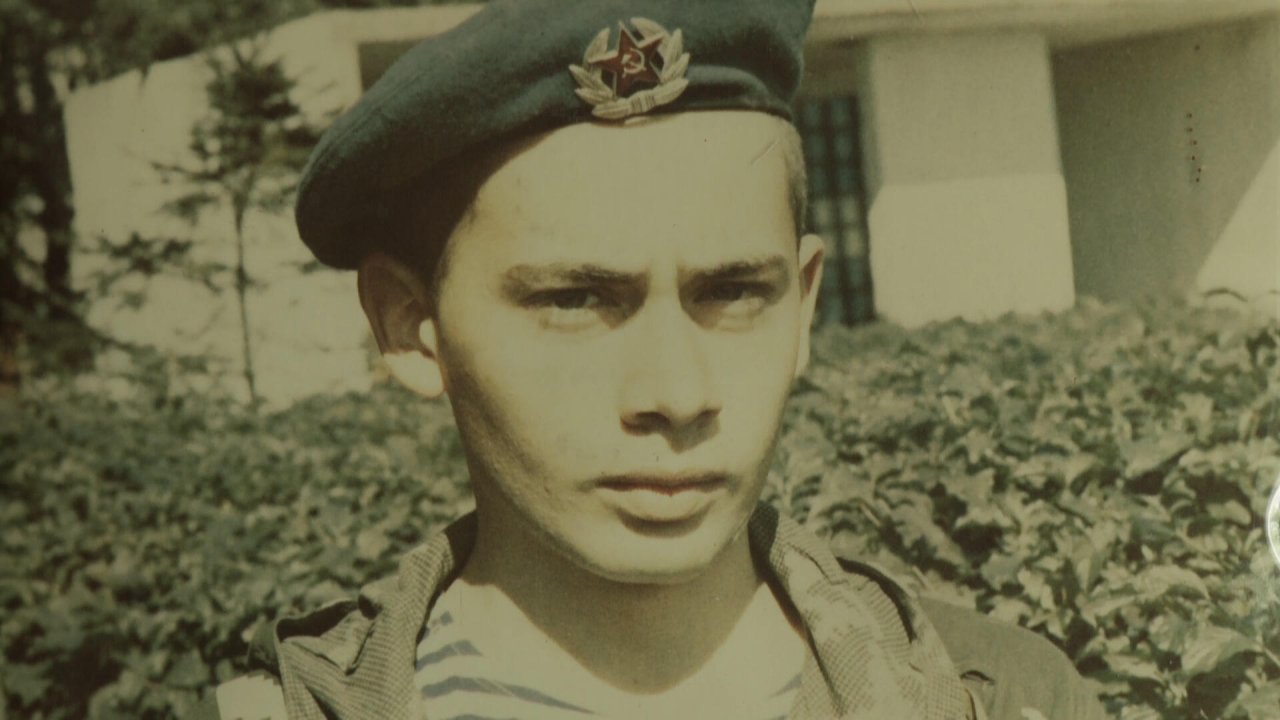
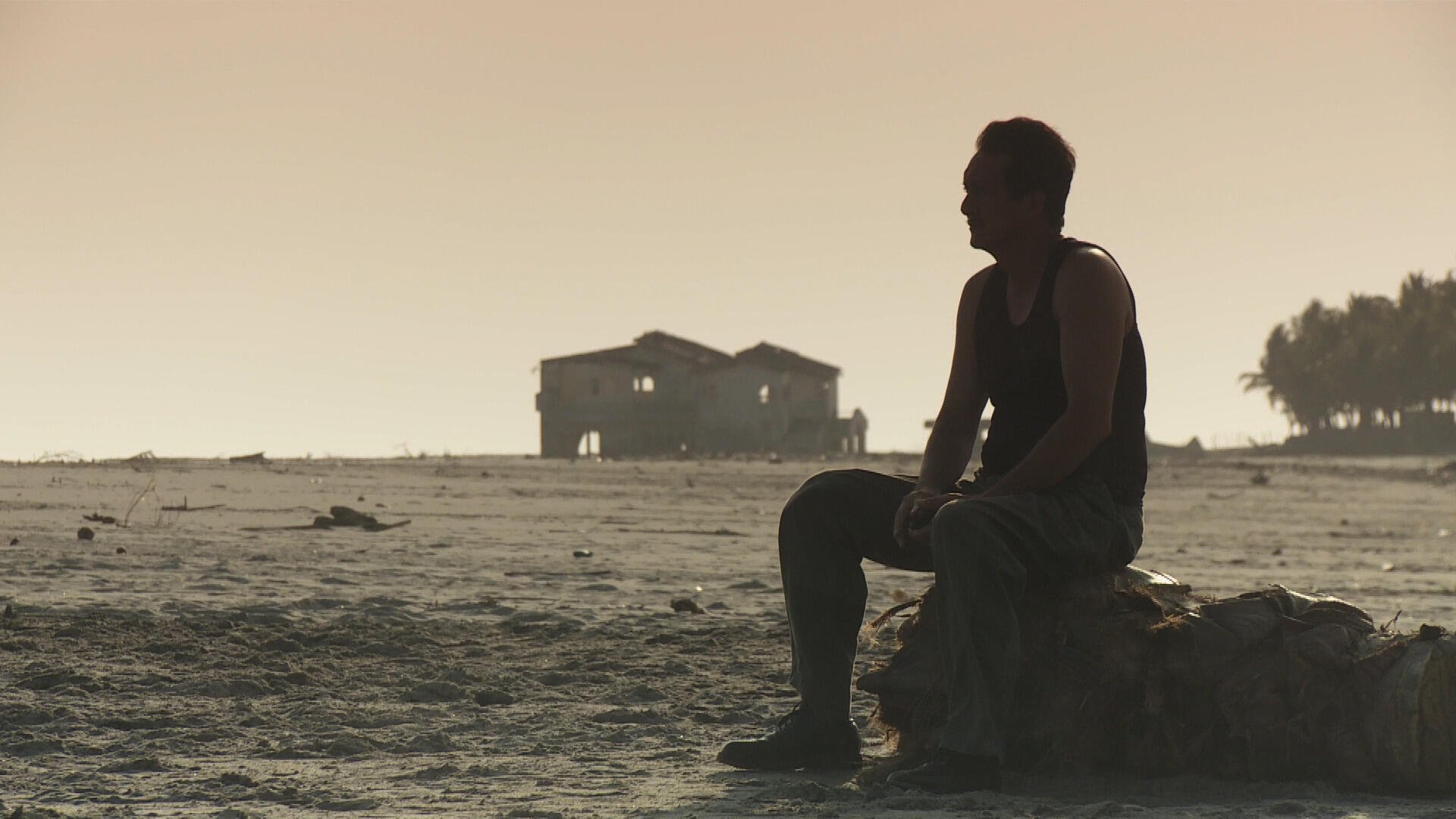
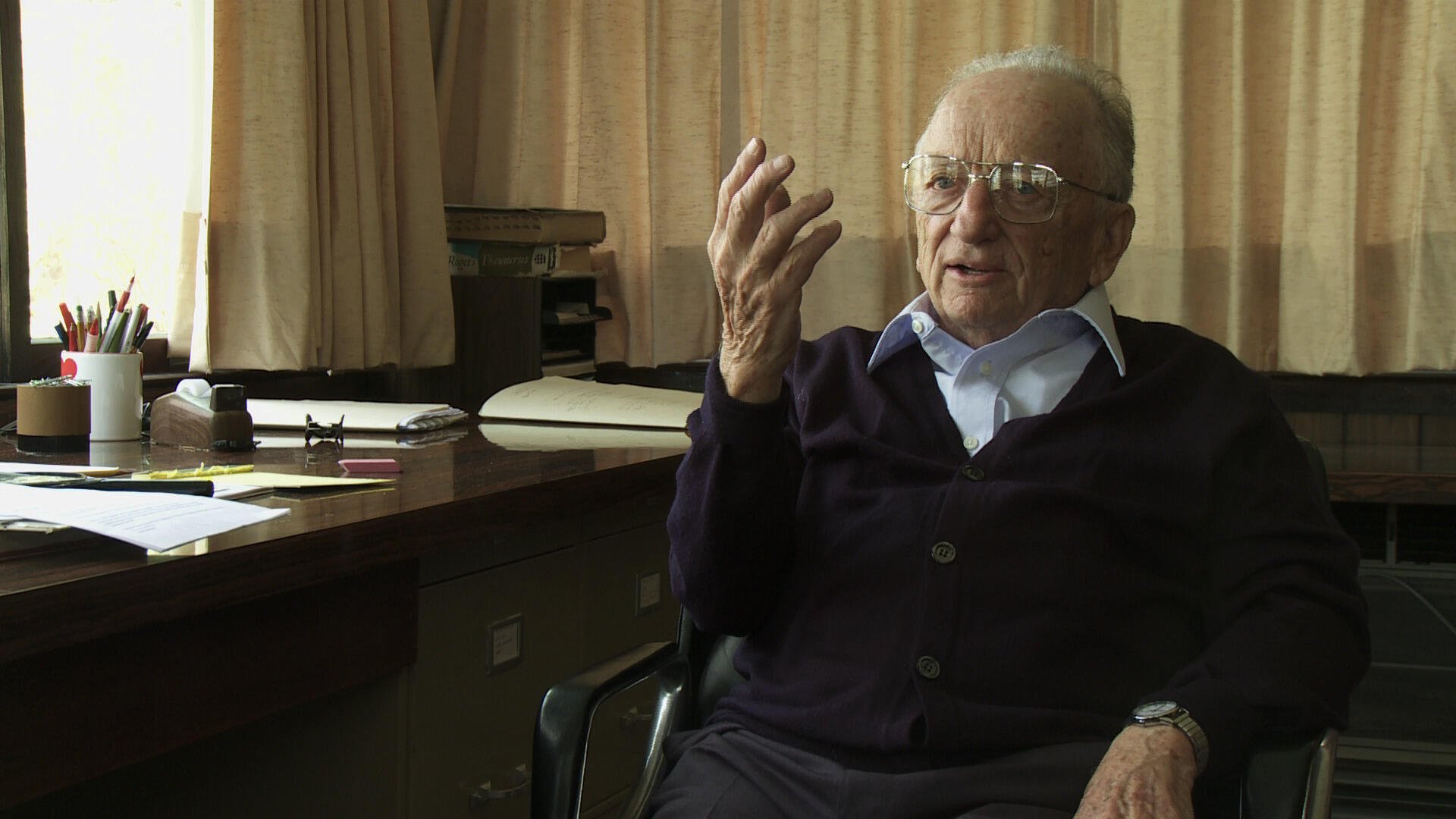
In 2009 will be celebrated the sixtieth anniversary of the Geneva Conventions signed in 1949. The aim of the treaties was to make wars more civilised. Did they succeed?
The first treaty ever about the waging of wars was signed in 1964. The 'Wounded and Sick in Armed Forces in the Field' is what it dealt with. The treaty also contained rules about the treatment of the death. The initiative came from the Swiss founder of the Red Cross, Henri Durant.
In the decades that followed and as the 'art' of warfare further developed (technologically in the first place) this first treaty was adapted and refined – or completely new treaties were signed. About aerial bombardments for instance – first from balloons and then from airplanes. About landmines. About mustard gas and other chemical weapons. About the protection of citizens and the concept of genocide.
The question arose: what about civil wars? What about resistance or guerrilla fighters? What about the uniformed personnel used by some armies today at their army barracks – personnel that officially is no part of the armed forces? What rules should govern wars against terrorists?
Over a hundred treaties about the waging of war exist today. The most recent one was signed in 2005. But the four Geneva Conventions signed in 1949 remained – not in the least symbolically – the most important ones.
Info
| Title | War Is Not a Game |
|---|---|
| Original title | A la Guerre comme à la Guerre |
| Original version | Russian, Hebrish, Spanish and English |
| Status | Completed |
| Category | Docs |
| Year of production | 2010 |
Credits
| Screenplay | Lode Desmet |
|---|---|
| Photography | Hans De Bauw, Philippe Lavalette |
| Editing | Anne-Laure Guegan, Linda Ibbari |
| Music | Serge Laforest, Martin Roullard |
Technical specs
| Running time film | 87' |
|---|---|
| Release format | Beta Digit |
| Aspect ratio | 1:1.66 |
| Sound format | Cédric Mariotti, Arnaud Derimay, Martin Desranleau, Yannick Dox |
| Colour | Colour and black/white |
Partners
| Supported by |
|---|
Awards
Festival selections
2010: Prix Europa (DE)
War Is Not a Game on tour of duty in Canada
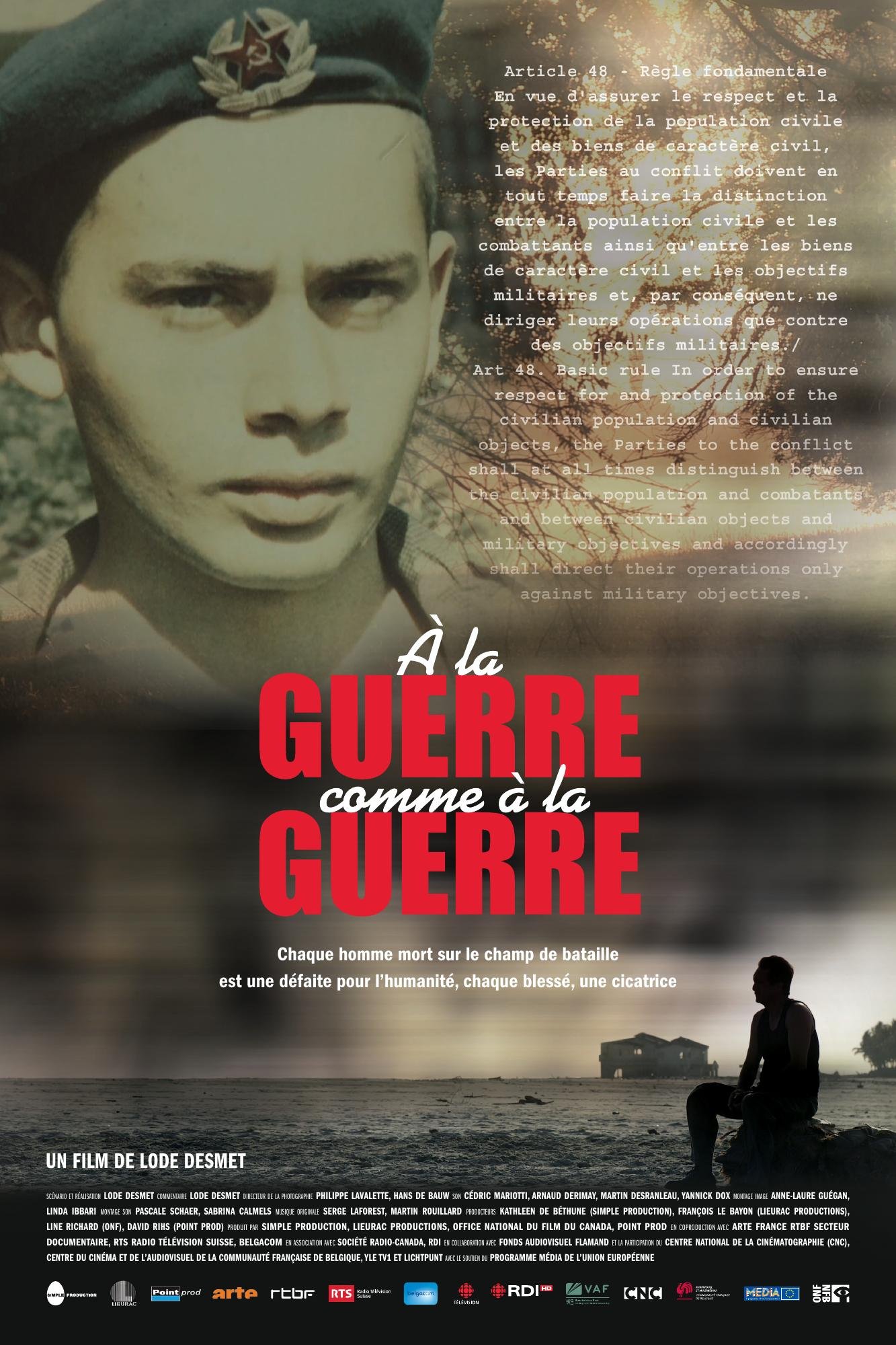
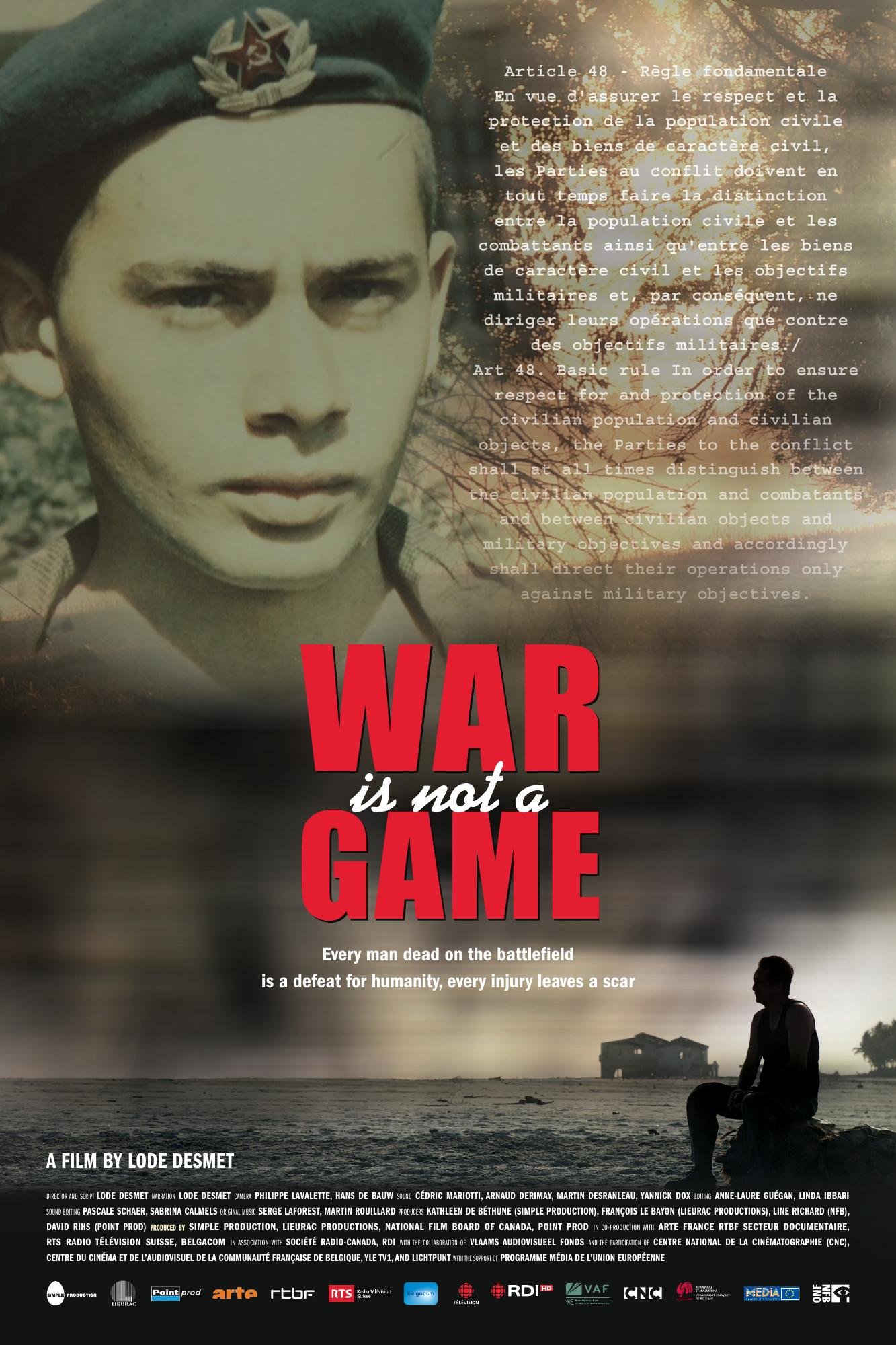
Flemish documentary filmmaker Lode Desmet is currently touring in Canada with his film War Is Not A Game (A la guerre comme à la guerre). After its recent selection for the prestigious IDFA 2011 line-up, Desmet was invited for a screening tour by the Canadian Office National du Film.
The documentary will be shown at 12 venues across the country, two of which are military bases. The film enjoyed a winning streak in Canada at the end of last year, grabbing awards at two fests: the NFB Colin Low Award for Most Innovative Canadian Documentary at the DOXA Documentary Film Festival in Vancouver (6-15 June 2011) and the Golden Sheaf for Best Documentary on History at the Yorkton Film Festival (26-29 May 2011).
French Award for War Is Not a Game
Lode Desmet’s documentary War Is Not A Game has won the Étoile Award presented by Scam, the French Civil Society of Multimedia Authors (Scam). The news follows a series of awards in Canada and an invitation for this year's IDFA.
A scrupulous examination of the morality of combat, War Is Not a Game takes the recent 60th anniversary of the Geneva Conventions as its starting point and considers whether the treaties have succeeded in making wars more civilised. Today, over a hundred treaties about the waging of war exist, but the Geneva Conventions remain the most important.
IDFA presents Flemish doc bonanza
A record-breaking haul of eleven documentaries and four docu projects from Flanders have been selected for this year’s IDFA, the international Documentary Film Festival of Amsterdam (16-27 November). Works from Jeremy De Ryckere and Kristof Bilsen, who recently graduated from RITS and NFTS (UK) respectively, are shown in the Student Documentary competition. The other entries feature in the Reflecting Images: Panorama, Paradocs section and IDFA pitching Forum.
Both Jeremy De Ryckere’s The Heir and Kristof Bilsen’s White Elephant compete for the IDFA Award for Best Student Documentary, worth €2,500. The Heir tells the story of a father, Raf, and a son, Dominique, and their relationship to their passion: horse racing, a long family tradition. White Elephant is a documentary about the Central Post Office and its employees in Kinshasa, DR Congo. This grandiose relic of a colonial past has trapped its employees in a frozen timewarp from which they are planning their escape. Last year the Award for Best Student Documentary went to the Flemish doc What’s in a Name by Eva Küpper.
Winning streak for War Is Not a Game in Canada
Lode Desmet’s innovative documentary War Is Not a Game has been enjoying a winning streak in Canada, recently grabbing awards at two of the country's fests: the NFB Colin Low Award for Most Innovative Canadian Documentary at the DOXA Documentary Film Festival in Vancouver (6-15 June) and the Golden Sheaf for Best Documentary on History at the Yorkton Film Festival (26-29 May).
The jury of the DOXA Doc festival praised War Is Not A Game for how it ‘successfully transitions between "big picture" history and startlingly intimate, revealing personal portraits of individual soldiers. The film never wavers in its penetrating focus and never, throughout its entire length, departs from the highest standards of excellence in cinematic storytelling. This film has a personal narrative not only in the words spoken by the subjects, but the intimacy in which it is delivered.’
War Is Not a Game sees double in Canada
Lode Desmet’s contemplative documentary War Is Not a Game is set to visit Canada this May, as it has been selected for two Canadian film fests: Vancouver’s DOXA Documentary Film Festival (6-15 May) and the Yorkton Film Festival (26-29 May). In Yorkton, the film is nominated for the Golden Sheaf Awards in the categories Best Documentary History and Best Research.
DOXA describes War Is Not a Game as 'a disturbing, illuminating film that applies big questions to personal contexts, and vice versa'. The subject of the doc is the intersection of abstract law and personal context, and Desmet pursues this dynamic across a broad swath of history, from World War II to Bosnia to the War on Terror. After an initial festival run, the documentary is set for a Belgian preview in early June.
Last edited on 1 March 2012